Precision framework. Heat-cured acrylic.
Individually designed for you.
A custom-milled cobalt chrome framework fits closely around your remaining teeth, letting the denture on top sit thinner, stronger and far more secure than a conventional acrylic partial.
Your Chrome Cobalt Denture
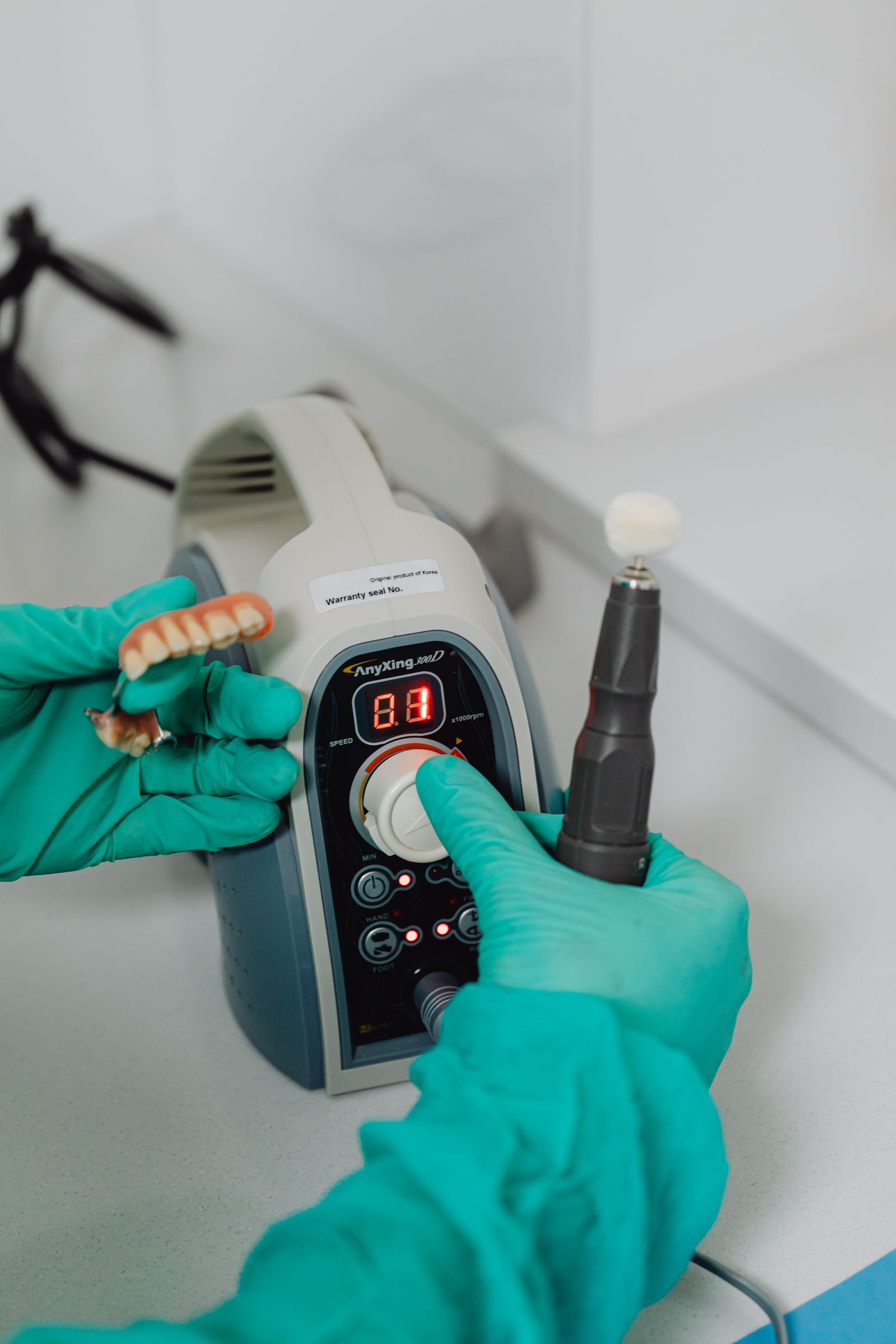
Chrome cobalt partial dentures use a custom-designed cobalt chrome metal framework that fits closely around your remaining natural teeth, with denture teeth attached to it using high-quality acrylic. Because the framework can be made significantly thinner than an all-acrylic denture while keeping excellent strength, a chrome denture can be smaller, more streamlined and more comfortable to wear.
How Do Chrome Dentures Work?
The stability and retention of a chrome partial denture come largely from its carefully designed metal framework engaging and being supported by your remaining natural teeth — so the number, position and health of those teeth is extremely important. Every chrome framework is individually designed for your mouth, with careful planning of rests, clasps and support to provide:
- Retention — helping prevent the denture from becoming loose or dislodged
- Stability — reducing unwanted rocking and movement
- Support — helping distribute chewing forces appropriately
- Comfort — creating a thin, streamlined prosthesis
- Function — allowing you to chew and speak confidently
Depending on your individual situation, a chrome denture may be primarily tooth-supported, or supported by a combination of your natural teeth and the surrounding oral tissue.


Why Choose a Chrome Cobalt Denture?
Many patients who have previously worn an acrylic partial denture notice a significant difference in the size, rigidity and stability of a well-designed chrome framework. For suitable patients, chrome cobalt partial dentures offer:
- Thin, lightweight and streamlined
- Extremely strong and durable
- Excellent retention and stability
- Very precise fit
- Less bulky than conventional acrylic partial dentures
- Excellent chewing efficiency
- Easy to keep clean when appropriately designed
- Highly customised to your individual mouth
- Ideal for many lower partial denture situations
- An excellent option for patients who struggle with bulky dentures or gagging
- Clasps that can often be adjusted to improve retention
- Precision attachments in suitable cases
- Tooth-coloured clasping where aesthetics are particularly important

Chrome Cobalt vs Acrylic — At a Glance
Neither option is universally “better” — it depends on your mouth, teeth and priorities. Here’s an honest side-by-side based on how the two compare.
A Premium Framework Deserves Premium Acrylic
The metal framework is only one part of a quality chrome partial denture. At DCPA, our chrome partial dentures are finished using heat-cured acrylic processed with the Ivoclar Ivobase Injection System — because the acrylic surrounding your denture teeth should complement the quality and longevity of the chrome framework underneath it.
Why Heat-Cured Ivobase?
The Ivobase system uses a controlled heat-polymerisation and injection process, with material continuing to be injected during processing to help compensate for polymerisation shrinkage. This provides excellent:
- Strength and durability
- Dimensional stability
- Accuracy
- Low residual monomer
- Surface quality and polish
- Long-term performance
Heat-Cured vs Cold-Cure Acrylic
Patients are often unaware that the acrylic used to finish a chrome denture can be processed in different ways.
Heat-cured acrylic sets through a controlled heat-polymerisation process. For our new, definitive chrome partial dentures we prefer this heat-cured injection process, because it generally provides superior mechanical properties and lower residual monomer compared with conventional self-curing acrylic.
Cold-cure acrylic, also known as self-curing or auto-polymerising acrylic, sets through a chemical reaction without the same controlled heat-polymerisation process. It’s an important dental material and is particularly useful for repairs, additions, relines and modifications — but it’s not what we use for a new chrome partial denture.
“How will the acrylic on my chrome denture be processed — is it heat-cured or cold-cured?”
A fair question to ask your dental prosthetist before investing in a new chrome partial denture.
Are There Any Disadvantages?
- Higher initial cost than conventional acrylic partial dentures
- Adding teeth or significantly modifying the framework later can be more difficult
- Changes to supporting teeth, fillings or crowns may affect the fit
- Some metal clasps may be visible, depending on design and tooth position
- Detailed impressions and careful planning are required for an accurate result
- If your mouth is likely to change significantly, another option may suit better to start with
Who Is a Good Candidate?
- Remaining teeth are healthy with a good long-term prognosis
- You want a smaller, less bulky partial denture
- You need excellent stability and retention
- You’re replacing multiple missing lower teeth
- You struggle with bulky acrylic dentures
- You have a sensitive gag reflex
- You want a strong, long-term removable solution
- Your remaining teeth are stable, with no major changes expected
Individually Designed. Precision Made.
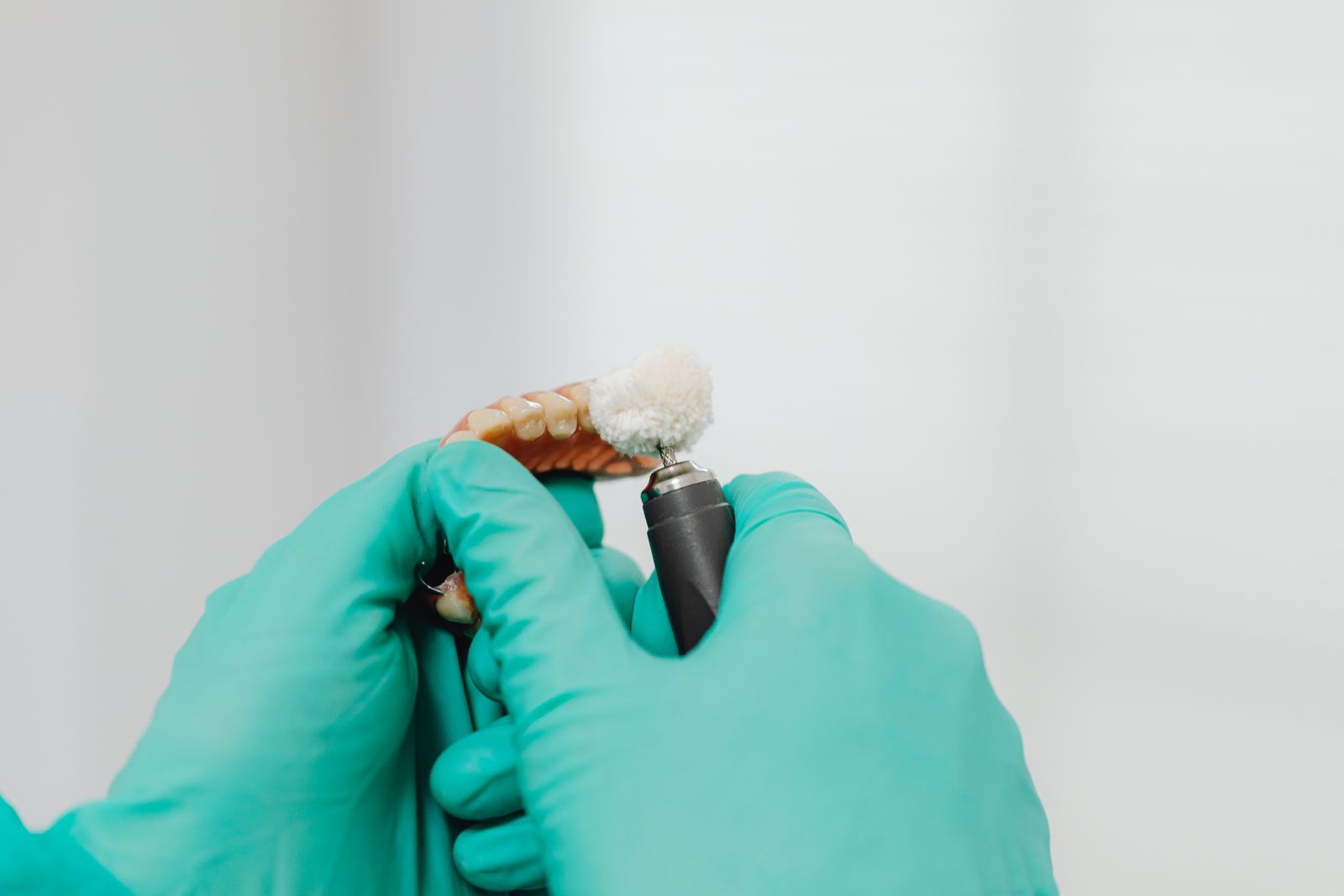
There is no single chrome denture design that suits every patient. Your remaining teeth, bite, gums, bone, smile and the position of the missing teeth all influence how your denture should be designed. At DCPA, each chrome partial denture is individually assessed and planned to achieve the right balance of comfort, retention, strength, aesthetics and long-term function.
Book a consultation